• About
    • Contact
    • Press
    • Sponsor
  • DIY
    • Home & Garden
    • Jewellery & Accessories
    • Yarn Crafts
  • Sewing
    • patternless & self drafted
    • Refashions
    • Commercial Patterns
    • Sewing Tips
    • Overlockers
  • The Refashioners

Portia Lawrie

DIY, Fitting, sway back adjustment, Tutorials

Fitting: Sway back on a Colette Laurel (Pt II)

02/17/16

So a little latter than planned,, here’s the second instalment of the sway back adjustment I promised. You can read part one here. But just to recap quickly on where we got to…loadsa fabric in the back for me. Pinned one horizontal tuck….didn’t quite take care of it*. Pinned a second horizontal tuck further down…part one of problem solved… *(worth noting that I have omitted the back darts. This will have had a small impact on how much I had to pin out)colette laurel sway back adjustment

Then with the toile taken apart and pressed flat, I’d marked all my adjustment lines in pen and evened them all out…colette laurel sway back adjustment

Soooo…moving forward, the next step was to make those adjustments to a paper pattern. To do this I laid out my toile back piece and laid some swedish tracing paper on the top. Making sure everything was flat and weighted down…colette laurel sway back adjustment

Then traced off my pattern piece including all the markings where I want to remove the excess fabric in the back…colette laurel sway back adjustment

If you consider those markings as a dart , (essentially it’s the same structure) You could just treat those lines as dart markings and fold out the excess.  I’m using a slash and overlap technique here. Slice along the top dart leg. (Apologies for the poor lighting in these pics. Twas a very grey day indeed!) I should technically have left a little pivot/hinge at the narrow end. But I just sliced right through because I find the hinge thing fiddly. colette laurel sway back adjustment

Then overlap the pieces so that the bottom dart leg lies on top of the cut edge (or what was the top dart leg)…colette laurel sway back adjustmentcolette laurel sway back adjustment

Stick in place with masking tape and in my case, repeat for the second tuck. It’s at this stage when lined up against the straight edge of a ruler to mimic a straight CB seam, that you can see exactly the effect it is having. THAT my friends, is how curved my back is!! Crazy!! I actually held that up side on against the profile of my back and it totally is!colette laurel sway back adjustment

So. Hopefully up to this point this is all making sense. But here, for me is where I slightly depart from fully understanding the “why” of each stage and just start trusting that this works. Even though the next couple of steps, to varying degrees, may seem a little counter intuitive.

So I have my altered pattern. Now it’s so skewed that I need to “true” up various points to make it a useable pattern piece. I’ve stuck my pattern piece to my worktop with super wide masking tape, along the CB seam here. It stops it shifting around and gives me something to draw my new lines on. So firstly I want to square down from the neckline to the hem to give me a straight CB seam again. So here’s the counter intuitive bit right? I just curved that back seam. Why do I want to make it straight again? Well, my logic is telling me that the aim is not to curve the CB to echo the curve of your back but to shorten the CB and remove excess fabric. (The curve in the pattern above is a bi product of that rather than the actual aim) You still need a straight CB. You may also remember that after I’d taken the tucks out of my toile, the back became tighter. This step also adds some width back in at the CB to combat that….colette laurel sway back adjustment

The red dotted line is the outline of the  altered pattern piece. The straight solid pencil line is my new CB seam. You can see that it’s incrementally adding width back in down the length of the CB. I would imagine, relative to what we’ve taken out, but, in a different place. I’m beginning to understand this adjustment as a “redistribution” of the fabric to some degree if that makes sense? But please chime in if you can explain with more clarity!!

Below is the hem and CB seam.  Again, we need to square across from the side seam to the new CB seam. You can see the red dotted line shows how much the adjustment has skewed the hem. So by doing this, you can see we’re adding length back at the bottom of the CB seam (ie at the hem). This is the bit that seems the most counter intuitive. If we want to shorten the CB seam to counter the sway back issue, why are we lengthening it again? Again, my reasoning is telling me that we are redistributing that excess length that we took out. Moving it from where it’s not needed to somewhere else. But interestingly, when I measured it…it doesn’t add up to the total length of the tucks that I took out. And when I compare the length of the new CB to the one on the original pattern piece…it IS shorter by about an inch…despite the fact that it doesn’t look that way once the toile is reassembled with the new back piece! Weird right??colette laurel sway back adjustment

The final step is to redraw the side seam. With the original laid on top and matching the underarm and hem points, you can see how the adjustment has altered the shape of the side seam too.colette laurel sway back adjustment

Simply trace along the edge of the original pattern piece to get the side seam shaping back to what it should be. You can see that this will be removing overall width. So again, my reasoning is telling me that what we added in width when we squared the CB seam was more than what was necessary to bring the pattern piece back to it’s original proportions. So shaping at this side seam and removing a small amount of width in the process, is in theory bringing everything back into proportion in relation to the original pattern. I am not stating this as fact. This is me thinking out loud & trying to get my head around how this adjustment works. I know that it does work. But the geek in me needs to know why and how too!colette laurel sway back adjustment

With the new side seam drawn you can now see what will be removed from the side seams…colette laurel sway back adjustment

Now this is not a great picture (below) and if you’re viewing it on a mobile device you may not be able to see the detail. So take a look on a desktop if you get the chance…colette laurel sway back adjustment

My new pattern piece (above) with all the adjustments complete but before I cut it out. You can see the curved red dotted line at the CB and hem and the cut edge at the side seam. That’s the outline of the skewed pattern piece once I took those tucks out. The solid pencil lines are the new outline once I’ve done all the “trueing” and reshaping. You can see that a big chunk of width was added in at the CB when it was squared down, (look at the distance between the red dotted line and the new CB line) but some of that has been taken out again at the side seam when I reshaped it. (Look at the distance between the edge of the pattern and the newly drawn side seam).

Now, here’s the interesting part if you like a geek out! It may hold some clues as to why this works! With my new pattern piece all cut out, I laid it over the piece from the original toile. Although at first glance the piece appears to be the same shape as the original….look what happens when I line it up at the shoulders and armholes!!colette laurel sway back adjustment

Then look what happens when I line up the side seams…colette laurel sway back adjustment

WEIRD right??? The angles are totally different in relation to the original! Now, while I will not pretend I can thoroughly explain why this works, comparing those two pattern pieces and reasoning out what we’ve done, I’m forming a blurry idea of what’s going on in the big sway back mystery. It seems to me that the process is a combination of redistributing length (and consequently width) away from where it is not needed, and moving it somewhere else; and overall, reorientating the pattern piece.

Having said that I still don’t fully understand the why and how (mostly in relation to choosing where to square off from and to and why we add length back in at the hem); but I can prove to you that it IS what you do and it DOES work, because, well, look! I did it….and it worked!colette laurel sway back adjustment

I may revisit this on scale paper cut outs in an effort to understand it fully. Because it seriously bugs me that, although I know it works….that’s not enough! I need to know how and why. And this time I am going to make copious amounts of measurements and get all mathematical on it’s ass. If I have a eureka moment, rest assured I shall share because I know there are other geeks out there for whom “yes….but WHY?” is as common a question as it is for me. But for now, this is how you do a sway back adjustment!

A really good tute here just in case my pics don’t fully give you the full idea, btw 🙂


And in the meantime, if you have the ability to clearly explain what is going on with a sway back adjustment and why it works, or if you know of a blog post somewhere that clearly explains, not the how….but the why, then pleeeease tell! I’ve searched and searched the interwebs to no avail. Lot’s of “how to’s” out there. And I’m all like, “yes, yes , yes…but WHY do we square up here and not there and WHY do we add back length to the CB if we’re trying to shorten it???”

Yes, I am the adult version of that annoying child that repeatedly says “yes Mummy…but whyyyyyy?” until mummy screams and as a mental breakdown. 😉

DIY, grainline, how to, quilting, Sewing, Tips and Tricks, Tutorials

FO: Linden Sweatshirt (with biker’esque quilting hack)

02/02/16

I am VERY late on the Linden bandwagon I know. But up until I swapped out my serger for a more powerful one at Christmas (Santa did good!) my old serger couldn’t cope with thicker fabric and I really didn’t fancy sewing this on my standard machine. So this was one of the first things I made on my new serger. (A Brother 4234D in case you were wondering!) It’s taken a while to get this post up because I’ve really struggled to get decent pics. It’s black for a start. It’s winter for seconds and the details of the quilting hack are quite subtle from a distance. So these are the best of the bunch, but hopefully you can get the gist from these pics. I mean you all know what a Linden looks like by now, lol! So it’s the deets of the hack I’m focusing on here…LINDEN BIKER QUILTED SWEATSHIRT

I opted for  View B, lengthened by 1″ with the sleeves from View A. Fabric is a black cotton jersey sweatshirting from Girl Charlee with a supersoft fleece backing. Super easy to sew and lovely and soft.  This Licorice colourway is a teeny bit of a fluff magnet which for day to day wear I can live with, but involved alot of masking tape to get it ship shape for photographing, lol 🙂 But there’s loads more colours if that’s likely to bug you. Doesn’t bother me too much.LINDEN BIKER QUILTED SWEATSHIRT

But the crux of this post is the quilting detail I applied in bands to the cuffs and hem. I mean. A black sweatshirt. That’s a bit minimal even for me! I wanted to elevate it in some way and give it a bit of personality and edge and I think this works beautifully in that respect; and also in the sense that it’s extra warm in those areas due to the double thickness of fabric I used for the quilting element. I’m so pleased with the overall effect. The bands are reminiscent of the detailing on biker jackets and inspired by the proliferation of quilted detailing emerging all over the interwebs…LINDEN BIKER QUILTED SWEATSHIRT

For the neckline I opted for my favourite deconstructed “finish”. It has been through the wash several times at the point this pic was taken (I wear it alot!) and the raw edge of the neckband has “roughed up” just the way I like it. The raw edge of this fabric does fray ever so slightly if left unfinished. Which is worth bearing in mind if you like a clean finish inside your garments, then it’s definitely a candidate for the serger.

I also raised/narrowed the neckline on the pattern. The necklines on this and the Hemlock pattern are marginally too wide for me as I’m not a fan of things hanging off my shoulders or revealing my bra straps. It’s an easy fix if you have the same issue. (See previous post).LINDEN BIKER QUILTED SWEATSHIRT

So. Onto the quilting part! The fabric is was not quite thick enough for quilting lines to be as prominent as I had in mind. So I created super wide facings for the cuffs and hem band to add body and “puff” for the quilting element. First step, before any construction begins, is to quilt the cuffs. I first measured how deep I wanted my quilted section to be then transferred this to my paper pattern….LINDEN BIKER QUILTED SWEATSHIRT

Marked out the entire section on my pattern…LINDEN BIKER QUILTED SWEATSHIRT

Then traced that off as a separate pattern piece…. For the cuffs I had to apply the facing and quilt the cuffs BEFORE construction (ie while they were still flat) as the cuff circumference was too narrow once constructed, to fit around the free arm on my sewing machine.LINDEN BIKER QUILTED SWEATSHIRT

For the hem band I aligned the front and back pattern pieces at the side seams, overlapping the seam allowances; and did exactly the same thing. Note:  THIS piece though, (once marked out and traced off) will need seam allowance added at one side then be cut on the fold. Once the cuffs are quilted I constructed everything as normal until I had just the hem left to do…LINDEN BIKER QUILTED SWEATSHIRT

For the hem facing band, once cut from the fabric, join the two ends to create a loop and then apply to the hem as a facing, turning to the inside. You can see here I’ve rolled the seam along the edge slightly to the inside…then simply quilt in paralell lines (or crazy random ones if you like!).LINDEN BIKER QUILTED SWEATSHIRT

Here’s a better angle to show the quilting on the cuffs (and some masking tape in the background for defluffing, lol  😉LINDEN BIKER QUILTED SWEATSHIRT

I’m definitely feeling the Linden love and can absolutely see why it’s SUCH a popular pattern.  Quick, easy, comfy.  I can see me making a few of these! I’ve also come to realise that I’m not necessarily “pattern averse”. I’m just not a lover of print. I like pattern and texture and interest on my clothes and am really feeling inspired to explore fabric manipulation, texture and embellishment further this year; as a means of adding this interest to my makes in a really subtle way. I usually opt for plain fabrics, but even I can find those a bit dull at times. So quilting is obviously one good way of adding a little subtle interest. I think this year, I’m going to look at ways of adding interest to my favoured simple silouhettes and plain fabrics, with construction, design and textural details; and see where that leads. What about you? Are you plain? Pattern? Or like me….a little somewhere in between?


DIY, how to, pattern adjustments, Pattern Drafting, Sewing, Tips and Tricks, Tutorials, Uncategorized

Top Tip: How to raise a “too wide” Raglan Neckline

01/28/16

… Read The Post

DIY, how to, refashioning, Restyles, Sewing, Thrifting, Tutorials

Refashion: Fleece Sweatshirt to Minimalist Cropped Jacket

01/25/16

refashion a fleece sweatshirt into a cropped jacket

It’s been all about the cozy around here. Temperatures as we know have been less than balmy and Shedquarters has been a little chilly to say the least. So an extra layer (or two) has been a prerequisite recently. Enter this oatmeal coloured “blah” fleece!

turn a aweatshirt into a cropped cardigan (1)

“Blah” because of the shape. But the fleece itself is super soft and has the appearance of felted wool….except way way softer! So I set about chopping it up….and this is what I ended up with!turn a aweatshirt into a cropped cardigan

A cute little cropped cardi/jacket with simple lines, that sits just on the hip at the front and dips down at the back. Couldn’t be simpler really. No raw edge finishing required as the fabric doesn’t fray. Just a few cut’s and minimal sewing. You can apply this to any similar fleece or sweatshirt. Here’s what I did…turn a aweatshirt into a cropped cardigan

Trimmed away the neckband close to the stitching and rounded off that V shape a little (optional)…

turn a aweatshirt into a cropped cardigan

Cut straight up the middle to create the opening….

turn a aweatshirt into a cropped cardigan

Cut a dipped/curved hem, removing the hem band in the process…

turn a aweatshirt into a cropped cardigan

Cut the sleeves down to my preferred “bracelet” length, leaving a little extra for turning…

turn a aweatshirt into a cropped cardigan

Turn and hem the cuffs and bottom hem…

turn a aweatshirt into a cropped cardigan

Turn and stitch a narrow hem arround the neckline. This would normally be a no no but as this fabric had a degree of stretch (and I didn’t have any fabric left for a facing) I went with it and it worked fine 🙂

turn a aweatshirt into a cropped cardigan

Then turn under and stitch either side of the opening….

turn a aweatshirt into a cropped cardigan

In all instances stitch as close to the raw edge as poss. This will give you a super clean finish and as you can see, that rule breaking I did with turning rather than facing the neckline? Not a problem 😉 Still a nice clean corner there . You can also see a double row of stitching along the vertical edge of the opening. (Partly decorative. Partly functional)

turn a aweatshirt into a cropped cardigan

And that’s that! It’s a perfect little extra layer to chuck on and much much less blah than the original! Even better, it takes about 30 mins. Gotta love fleece/sweatshirt fabric! More sweatshirt stuff coming up this week. Watch this space!

DIY, how to, refashion, refashioning, Restyles, Sewing, Thrifting, Tips and Tricks, trousers, Tutorials

Top Tips: For “Skinnifying” Jeans & Trousers

01/11/16

tips for skinnifying jeans and trousers

When looking for jeans or trousers I have the relatively common problem (especially when you’ve had kids!) of trousers that fit me in the waist/tum/bum area being waaaaay to big in the legs for my liking. Luckily I sew 🙂 So for years I’ve been addressing this minor annoyance by buying (usually thrifting) jeans than are super comfy in the waist/tum/bum area and simply reshaping the legs to fit my style. “Skinnifying” them if you like. I’ve been asked a few times if I am going to do a tutorial on the subject. Well, yes and no. This is a tutorial of sorts. But I hold your intelligence in high enough esteem to know that you probably get the gist that narrowing trousers means pinning the legs. Sewing a new seam and cutting away the excess. So while this post touches on that obvs, I wanted to focus on some of the other considerations you might want to take into account….

Fabric & Stretch: The “jeans” predominantly featured here are not jeans in the truest sense. They are not constructed in quite the same way as “traditional” jeans. (I’ll touch on that a bit further down) But they are made from a stretch denim. In my experience, denim with stretch is by far the most forgiving and easiest to work with when refitting the legs on jeans. And lets’s face it, the most comfortable to wear too! It’s also not a heavy denim. Another consideration when you’re using a home sewing machine which simply won’t have the power of the industrial machines that would have been used for heavy denim when they were originally produced…tips for skinnifying jeans and trousers (2)

Seam Construction: Both the inner and outer leg seams of this particular pair of jeans were constructed using standard straight seams. These are your friends when it comes to reshaping the legs on jeans or trousers; because it means you can easily narrow the leg evenly on both sides. Traditional construction uses a flat fell seam, usually on the inside leg, which is tougher and harder wearing. If you can avoid those….do.  I’ll touch on that a bit further down…tips for skinnifying jeans and trousers

tips for skinnifying jeans and trousers

Prep: To prepare the legs for reshaping it’s easier to completely unpick the hems then press the hems and the sides seams completely smooth and flat. Put on inside out, then pin to your desired fit. Take them off and even out the row of pins. Watch out here that you don’t narrow soooo much that you can’t get your foot through the ankle. Yep….done that. 😉

At the ankle, where you are going to hem, the pins should be at right angles to the original hem fold for the whole hem section. That section needs to be the same width above and below the hem fold in order to allow for proper hemming….tips for skinnifying jeans and trousers

Blending: In order to make the new and old seams blend seamlessly (so you don’t get an obvious dimple or tuck on the outside once you’re done) pin then start sewing within the original seam allowance and gradually cross over the original seamline to your new line of stitching…tips for skinnifying jeans and trousers (4)

Back & Front Leg Ratio: The back leg of a pair of jeans/trousers in general, will be wider than the front to allow for the calf muscle. You’ll want to retain this ratio in order to keep the side seams completely vertical when wearing. So when you press and pin make sure that this excess fabric remains distributed at the back leg…tips for skinnifying jeans and trousers

Ensuring Even alteration: You’ll want to ensure that you take away the fabric evenly on both legs. To do this I pin one leg to my desired fit. Then I line up both legs along all seams and use those pins to pin through both legs at the same time…tips for skinnifying jeans and trousers

So essentially you have both legs pinned together with the pins on top marking an identical line on the other leg underneath. Make sense?  You can also see in this pic the additional fabric of the back leg all bunched up in the middle…tips for skinnifying jeans and trousers

Marking: Obviously I can’t sew it like that! So I mark on top and between the pins on both sides to mark my new seam line…I have a set of pastel pencils that make an awesom alternative to tailor’s chalk btw!tips for skinnifying jeans and trousers

tips for skinnifying jeans and trousers

Sewing: Then simply remove the pins, sew on top of my chalk line, zig zag close to that line, then trim off the excess and hem…tips for skinnifying jeans and trousers

tips for skinnifying jeans and trousers

Considerations for “traditional” Jeans: So I mentioned flat fell seams.  Traditional jeans will generally have a standard seam on the outside (your friend) and a flat fell seam on the inside leg (not your friend!). You can see below the amount of stitching involved in a flat fell seam. This makes it super sturdy which is fantastic for the longevity of your jeans but not so great if you want to take it in at that seam. It is not possible to smoothly narrow  and blend that seam without unpicking all that stitching first. Even then you have that point wher the crotch and inside leg seams intersect to contend with. I have tried in the past and I will never bother again! So to my mind, and in my humblest of all humble opinions, it just isn’t worth it. I prefer to accept the limitations of traditionally constructed jeans and only narrow the leg on one side…tips for skinnifying jeans and trousers (15)

This does of course limit the amount you can narrow the legs by before it starts looking uneven; and that is just a matter of trial and error and personal taste. When narrowing just one side of a pair of jeans I will always use a long stitch to baste my new seam line and test the fit first before committing to cutting away the excess fabric.

If you are altering traditional denim then another consideration is the thickness of the fabric; especially at the hem. To retain the original hem you’ll likely be sewing through 3 layers of denim (see the pic below) plus an additional 3-4 layers when you sew across the intersection of the flat fell seam! tips for skinnifying jeans and trousers (14)

My machine is not powerful enough to do that on sturdier denim. So I reduce the strain by removing that bottom section of hem…tips for skinnifying jeans and trousers

And opting instead for a single fold hem with the raw edge zig zagged or overlocked…tips for skinnifying jeans and trousers

Another area where it can get pretty bulky is up in the hip pocket area. If you are beginning your blended seam as high up at that then there will be studs, pocket bags and top stitching to navigate. Which is why when I select jeans to refashion…I opt for those that don’t need taking in at the hips (these were the other half’s jeans)…tips for skinnifying jeans and trousers

Tools/Equipment: I thoroughly recommend using the right tools for the job. In my opinion and for my machine, denim needles make a difference in the ease of sewing and the quality of the resulting stitch. For an authentic looking hem, then top stitching thread matched to the original colour will give a professional finish. For sewing over the bulkiest part of the hem, placing a shim at the back of the presser foot will keep your presser foot horizontal and help avoid the skipped stitches that occur when sewing over bulky seams and the presser foot has to “climb” at an angle over the bulkiness of it all. You can buy shims. But a folded piece of card does the job for me. Also, machine needle cases are almost the perfect thickness to do the job; and if you’re lucky your presser foot may have a little button on the side that locks it into the horizontal position.tips for skinnifying jeans and trousers


So that’s that. My top tips for skinnifying jeans and trousers. Anything you want to add?? Please feel free to share!!!

Happy refashioning!

DIY, how to, overlocker, overlockers, serger, Sewing, Tips and Tricks, Tutorials

Top Tip: Transfer thread from large cones to small spools

01/06/16

how to decant thread from an overlocker cone to standard spools (1)

Picture the scene. It was New Years Day. (Happy 2016 everyone!) A rare opportunity over the holidays to duck into Shedquarters and sneak some sewing in. All ready to rock and roll and then……aaargh! Not enough thread spools in the right colour for my overlocker!

I can be a bit blasé about gathering supplies/notions for a project. I’ve developed quite a stash and kinda just assumed I would have enough standard spools in the general vicinity of this colour to cobble together a workable overlock stitch. (‘cos I use this colour all the time! Not! Doh!). But no. I had one cone in the colour I needed. Loads of it. But all on one cone. Hmmmm….how to decant thread from an overlocker cone to standard spools (9)

But as always with me, necessity is the mother of invention. Some of my favourite ideas emerge when I’m facing a (probably self imposed) hurdle and am scratching my head trying to figure out a work around. Plus, since this little solution means you need only buy one cone of overlocker thread (in that obscure colour that you need but will never use up in a million years) this one saves money and what better way to start off a cash strapped January than with a money saving hack right?how to decant thread from an overlocker cone to standard spools (2)

If you’re like me and hold on to empty thread spools because they are “bound to come in handy for something” at some point; then this would be the moment you are vindicated in your hoardiness! You’ll need 4 empty thread spools (These guttermann ones are particulary perfect as explained in a moment). Some double sided sticky tape. A spare bobbin from your sewing machine. how to decant thread from an overlocker cone to standard spools (3)

Stick a piece of the tape on the flat end of the thread spool….

Remove the backing and firmly press your empty bobbin on top,,,how to decant thread from an overlocker cone to standard spools (4)

how to decant thread from an overlocker cone to standard spools (5)

Pop the thread cone in a mug/cup in front of your standard sewing machine.  We are essentially going to treat the empty spool as a bobbin. Which is why I said these particular thread spools are quite useful. On the opposite end of the spool to where you stuck the bobbin, there are holes that you can use in the same way as the hole you would normally use in the top of the bobbin. Pop your thread through one of those holes just as you would on a bobbin…how to decant thread from an overlocker cone to standard spools (6)

Then attach the whole assembly to the bobbin winder on your standard machine just as if you were going to wind a normal bobbin…how to decant thread from an overlocker cone to standard spools (7)

Then start winding! Hold the thread at slight tension with your hands and feed it onto the thread spool in an even manner by gently moving the thread up and down as it winds so that it distributes along the full length of the spool in an even manner. how to decant thread from an overlocker cone to standard spools

And that’s that! Repeat for all the other spools, using the same bobbin. It’s removable because you only used double sided tape. But you may not want to use it in your sewing machine after due to a sticky residue. So I’ve just set mine aside and reserved it for this purpose; because I am so going to want to do this again at some point!how to decant thread from an overlocker cone to standard spools

There are other methods out there for doing this but this one suits me because it’s simple, quick and straightforward. The main morals of this story?

  • Don’t throw away empty spools!
  • Standard spools do work on an overlocker
  • If you HAVE to buy a overlocker thread in an obscure colour that you’ll only use once…just buy ONE and do this!
DIY, how to, refashioning, Restyles, Sewing, Thrifting, Tutorials, Uncategorized

Refashion: Contrast Texture Sweatshirt

12/18/15

This sweatshirt has been sitting in my refashion pile for several weeks. I have a preference for raglan sleeve sweatshirts as I find the fit more flattering. But this sweatshirt was so soft I nabbed it from the charity shop anyway. What’s more the underside of the fabric was really interesting to me (loopy terry texture and a pinkier colour than the right side) and even as I was lifting it off the rack in the shop, I knew I wanted to play with contrasting the wrong side of the fabric with the right side…sweatshirt refashion (1)

Whilst I am not overly sold on the final fit of this garment, I am in love with the contrast elements of it. I think it’s a really effective way of adding some interest to a plain sweatshirt and has applications for both refashioning and “from scratch” dressmaking. I’m sure it’s not just me that looks at the “wrong” side of the fabric and thinks….well that’s just as interesting as the intended right side. In fact I often spend time deciding which side of the fabric I prefer and want to use. The answer could be…..use both sides!sweatshirt refashion - contrast texture detail

The sleeves were a simple case of removing the ribbing cuffs and creating a turn up to display the underside of the fabric.

The triangular panels are also pretty simple. I did wing this a bit as it was an experiment. So there’s a couple of areas where I’ll tell you what I should have done to make things easier. But hey, the outcome is pretty much the same!sweatshirt refashion (14)

I began by opening the whole thing out. I knew I was going to need to reshape it at the side seams anyway. So began by cutting it open along the side seams and underarm seams…from the hem all the way to the cuff. Both Sides.

In this pic the whole thing is opened out (like a big cross) and then folded along the length, lining up sleeves and side seams so it lays flat and I could deal with the front and back of the sweatshirt separately. This is the front. I marked out and cut a wedge from the side. From the underarm to the hem. Cutting through both layers at once…sweatshirt refashion (15)

With hindsight, I’d actually advise removing the hem and any other bulkiness like it (I had those bulky hem vents) before marking and cutting the wedge. And actually I would measure and mark each side separately rather than cutting through two layers at once. The bulk of those seams and the double layers of thick sweatshirt fabric skewed my scissors resulting in slightly “non-identical” wedges. We need them to be identical for the next step.

Flip those wedges over and apply them to the opposite side of the sweatshirt (with a scant seam allowance) from which they were cut. Essentially reconstructing the shape of the sweatshirt. But now you have those contrasting wedges either side! sweatshirt refashion (16)

Press SA towards centre and top stitch.

Then repeat that process on the back…sweatshirt refashion (17)

…and reconstruct the sweatshirt by placing RS together and sewing together from cuff to hem on both sides…

I wanted to continue the “contrast triangle” element onto the neckline and swap out the ribbed triangle …sweatshirt refashion (3)

Plus I prefer a slightly deconstructed look as opposed to a thick band of ribbing…19

Pretty simple to do this using reverse applique.

First of all I made a snip up to the stitching line on the neckline ribbing…sweatshirt refashion (4)

sweatshirt refashion (5)

…and cut that ribbing away right next to the stitching line.

I’d shortened the sweatshirt at this stage so had some scraps left over…sweatshirt refashion (6)

I cut a square large enough to cover the triangle detail I was looking to reverse applique…

…and pinned it behind the triangle with the textured side facing outward…sweatshirt refashion (7)

Make sure it is smooth and flat.

Over at the sewing machine, line up your needle with the existing top stitching around the outside of the triangle…sweatshirt refashion (8)

sweatshirt refashion (9)

Then stitch right on top of that line of stitching to secure the new scrap of fabric in place…

This is how it looks on the reverse….sweatshirt refashion (10)

sweatshirt refashion (11)

Trim away the excess on the inside close to the line of stitching.

On the outside…make a snip into the “old” ribbed fabric that you want to remove being careful not to cut the new fabric behind!sweatshirt refashion (12)

sweatshirt refashion (13)

Then with small sharp scissors cut away the old ribbed fabric close to the stitching, to reveal the new fabric behind!

Hem…and that’s that!sweatshirt refashion (2)

I’m planning on revisiting this concept with my preferred raglan sleeve sweatshirt shape as I don’t feel 100% comfy in this shape. As I said, the fit part of this I’m not entirely content with. The contrast element concept though??sweatshirt refashion - contrast texture detail

Well, I think I should call that part a win don’t you??

DIY, how to, Knitting, Tutorials, Uncategorized, yarn crafts

DIY: Moss Stitch Infinity Scarf

12/14/15

My knitting “career” is littered with unfinished projects. I don’t think my attention span lends itself to long term projects. I know how to knit. But projects that involve alot of concentration, counting and keeping track are destined to fail in my hands. Period.

DIY MOSS STITCH INFINITY SCARF

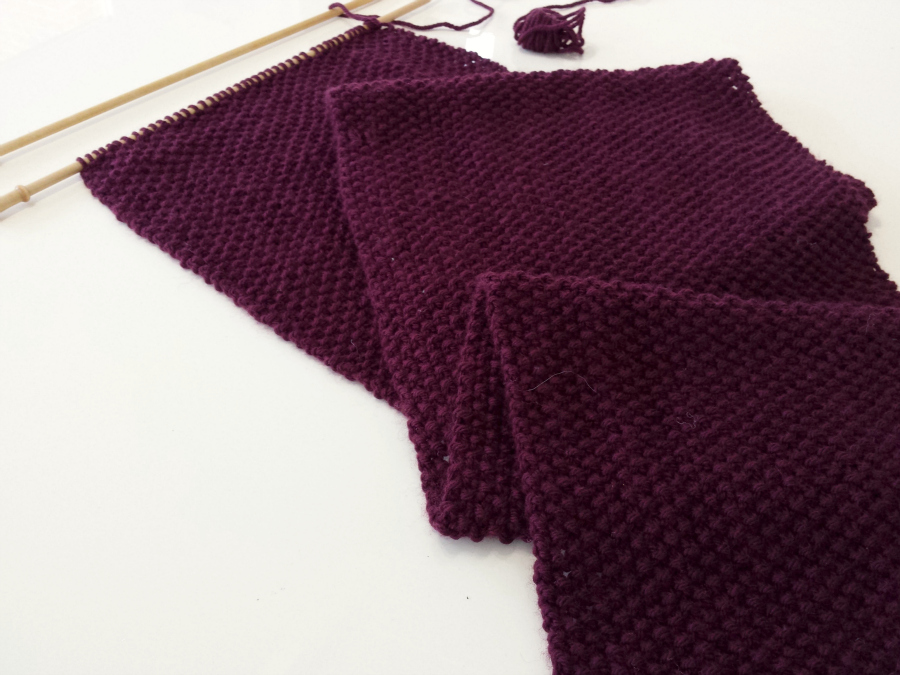
So this simple infinity scarf in moss stitch was the perfect project for me. I was finally kicked into action when I saw Tamsin’s gorgeous scarf. She used the Gaptastic Cowl pattern; but this one was just done on the fly by counting and measuring. The completion of this marks my first EVER wearable knitted project! It’s as simple as knitting a super long rectangle (it’s knitted flat rather than on circulars) then joining the  two ends with a simple slip stitch. The moss stitch is super easy and provides a gorgeous texture and ANYONE that can cast on, knit and purl can make this scarf. All in it took me about 5 nights in front of the telly to complete. I really enjoy the repetition and mundanity of moss stitch. It’s like chewing gum for the brain if that makes sense. Very little concentration required and after a while it just becomes a “muscle memory” type thing. A stitch you can do without thinking, whilst binge watching a box set on Netflix 😉

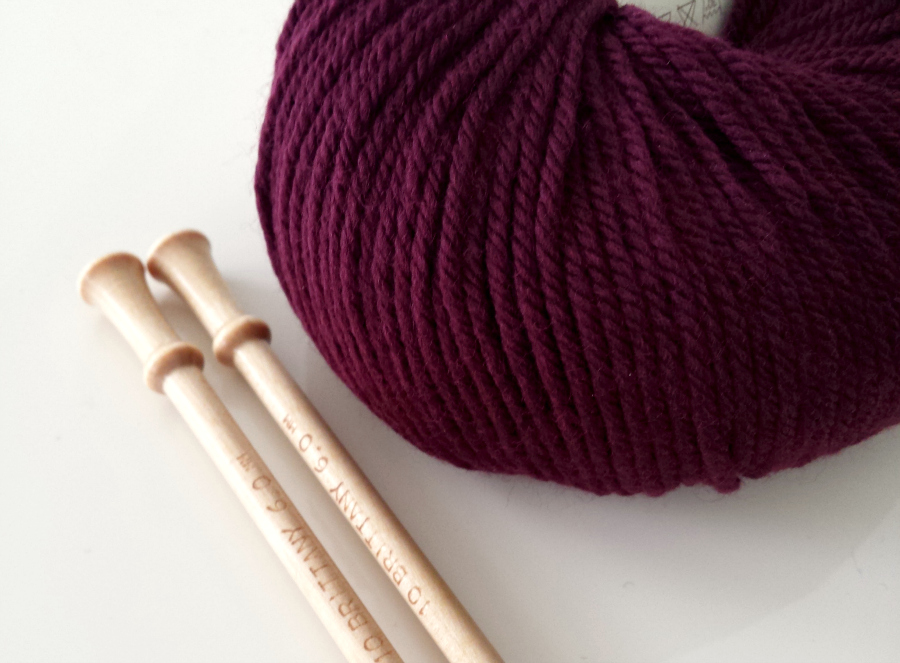
The yarn is Debbie Bliss Cashmerino Aran weight yarn in plum. Super difficult to get a consistent colour representation in the images, I’m sorry! The image above is the closest to the actual colour (if a teeny bit more purpley). Really soft and easy to knit with and this make took 4 x 50g balls. Massive array of colours.DIY MOSS STITCH INFINITY SCARF

The gauge calls for 5mm needles. I wanted a slightly looser/drapier texture so opted for 6mm. These Brittany birchwood needles are so lush to knit with I have to say. I scored them in a charity shop a couple of years back for, like, £1 or something silly! (Charity shops are great places to stock up on knitting needles and crochet hooks ). These are a bit spesh though. They feel wonderful in the hands and stitches just slide along them. £1 well spent!

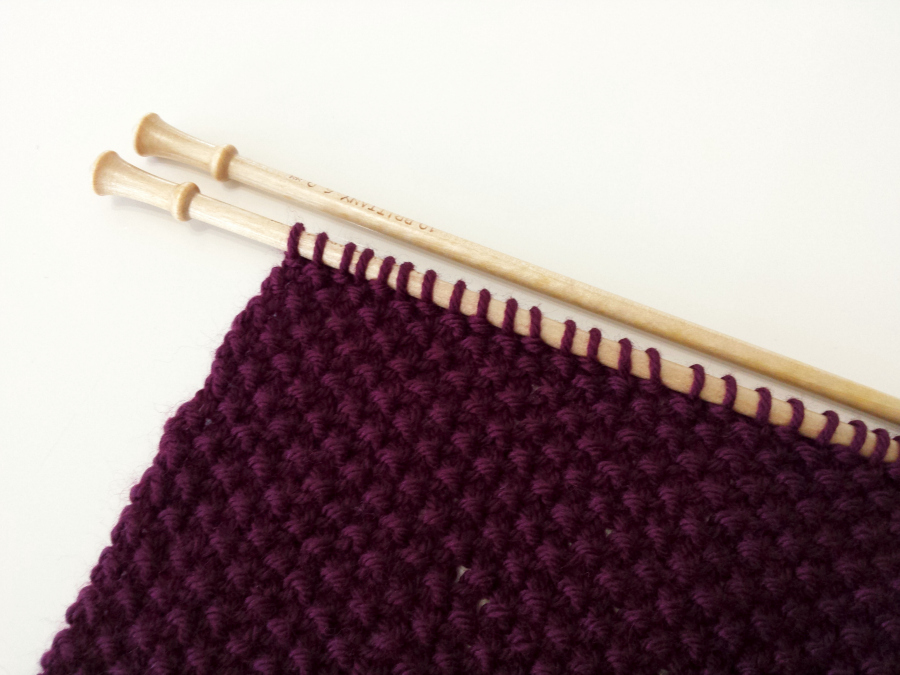
So…onto the deets. I’ll start by saying this is NOT a knitting pattern per se. I’ve written this so that anyone not familiar with pattern terminology can easily follow it and get the gist. And I don’t want anyone thinking I’m some kind of knitting guru because I am SO not. BUT, I did want to share this because I hear people say so often, that they can’t knit. Seriously, you can knit this. Start by casting on an odd number of stitches. The reason it’s on odd number is that it keeps it simple when knitting each row. Each row is exactly the same. Nothing to remember when you turn your work. Every row starts and ends with a knit stitch. Simple! Great video here for casting on.

DIY MOSS STITCH INFINITY SCARF

I cast on 43 stitches. This gave me a width of about 11″ for my finished scarf in this yarn; which works well for doubling over the scarf when wearing. If you want it wider, cast on a few more stitches. Narrower, cast on a few less. If you’re using a different weight of yarn, simply cast on until the row of stitches on your needles measures the desired width of your finished scarf. Just make sure it’s an odd number.

But let’s work on the basis of this scarf and this yarn for now. Seriously simple. Moss stitch is a beautiful stitch that alternates knit and purl stitches. (K1, P1, K1,P1 etc) Great video for knit here and purl here. This scarf is knit as follows:

  • Cast on 43 stitches
  • Knit the first stitch
  • Bring the yarn between the needles so it’s at the front
  • Purl the next stitch
  • Bring the yarn between the needles so it’s at the back
  • Knit the next stitch
  • Repeat that process to end of row
  • Every row identical

DIY MOSS STITCH INFINITY SCARF


Keep going until the whole piece measures approx 50-54″ (Make sure you have a small ball of yarn left for finishing) then cast off and join the two ends together with a slip stitch. Weave in ends and you’re done!!

If you’re like me and you’ve never finished a knitting project before…this could just be it! And a great handmade gift too :

DIY, gift ideas, how to, Tutorials, Uncategorized

DIY: Message Mugs

12/09/15

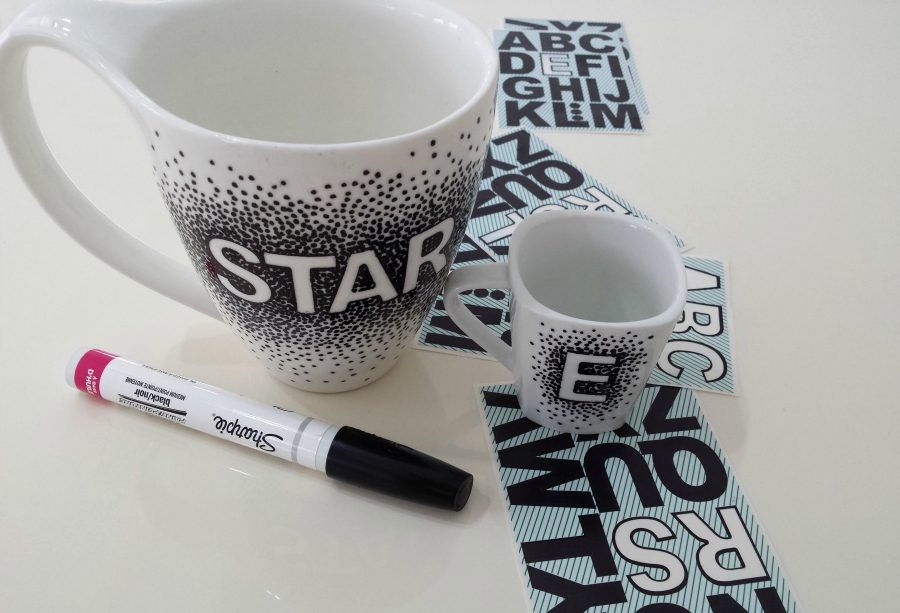
You can never have too many mugs. Especially when you drink as much coffee as we do in this house! Here’s a cute and simple way to personalise a plain mug as a last minute gift!diy sharpie message mug

These would be great wrapped in clear cellophane and filled with treats like fudge, marshmallow and such for gift giving.

diy sharpie message mug

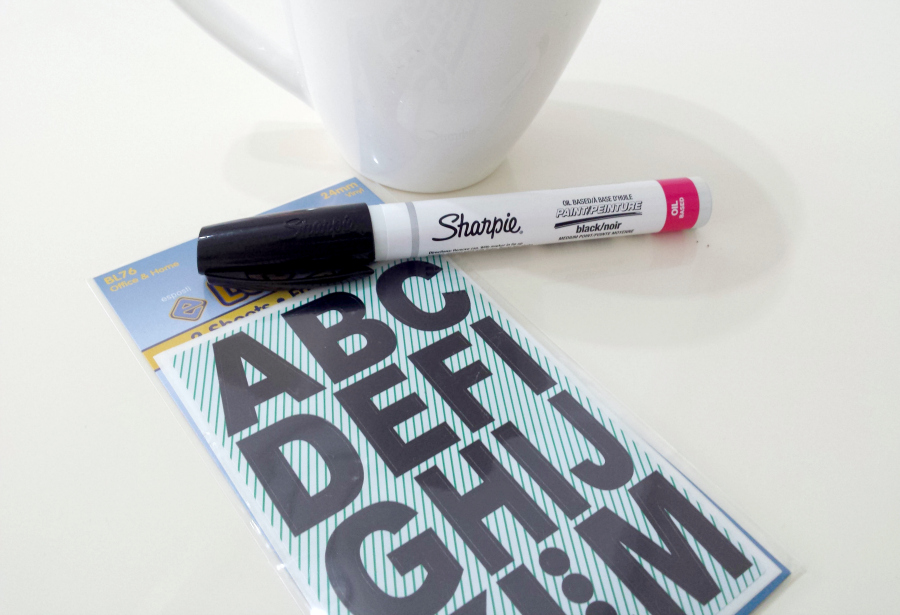
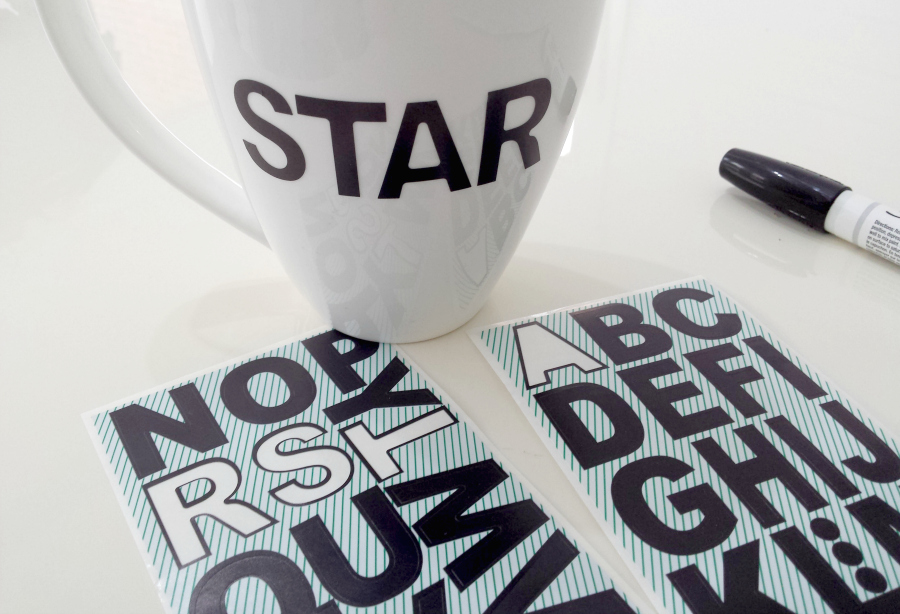
You’ll need a plain mug. (The cheaper the better in this instance as the glaze will likely be less resistant when you come to heat it) Some vinyl stickers (letters, shapes, whatever you want. But vinyl…NOT paper as the ink will bleed through paper) and an oil based sharpie or a ceramic pen. Categorically, do not use a normal sharpie pen as they are water based and the marks will start to come off as soon as you wash it. If you follow me on IG you might remember a version of this pop up on my feed almost a year ago. It didn’t make it onto the blog because I used a normal sharpie and it DID NOT WORK. Learn from my mistakes people…learn from my mistakes 😉

diy sharpie message mug

Make sure your mug is clean and dry before you start. Clean the surface with white spirit/rubbing alcohol/nail polish remover to remove any residual grease before you start. Use the stickers to spell out your message taking care to keep the letters evenly spaced and level AND making sure they are firmly smoothed down all over but especially at the edges.

diy sharpie message mug

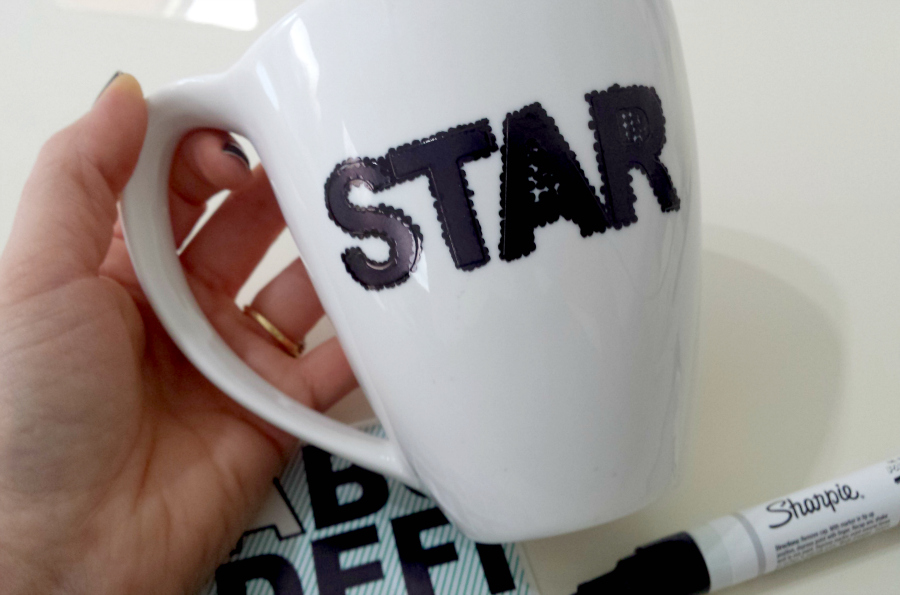
Take your pen and overlap “polka dots” all the way around the outline of the letters including any spaces inside the letters. Don’t overload the nib of the pen at this stage as it may lead to some of the paint seeping under the edge of the stickers and we want a nice clean edge.

diy sharpie message mug

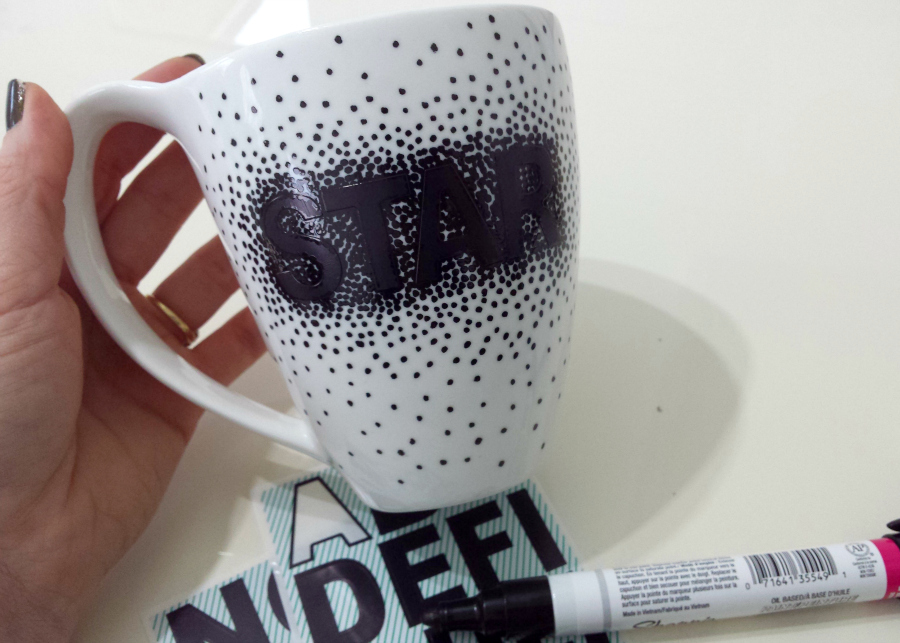
Then fill in the area all around and inbetween the letters with more dots. Keep the dots dense in and around the letters then as you work outwards from the letters, have the dots become less dense and further apart.

diy sharpie message mug

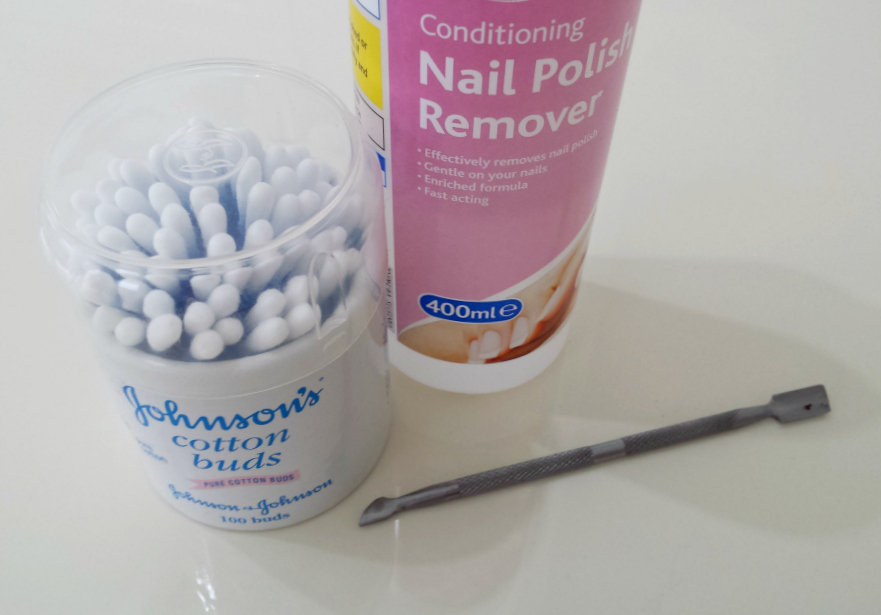
Allow to dry. I left mine for at least an hour; before carefully removing the stickers. Use nail polish remover, cotton buds and a small scraping tool of some kind to clean up any ink that has “bled” under the stitckers. There shouldn’t be much if you firmed the edges down and didn’t overload the paint.

diy sharpie message mug

Once the stickers were removed I then went back and added more dots to even out the graduated effect. Elliott decided he wanted one too! So I grabbed a little espresso cup and monogrammed it for him, lol!  Et voila! Leave to “cure” for a day or so then bake in the oven. For a sharpie one place the mug in the oven then heat up to 220 celsius. Bake for 30-45 mins. Switch the oven off and allow to cool completely before removing from the oven. If you use a ceramic pen, follow the manufacturers instructions for setting/fixing the paint. For both pens the finished mugs will be handwash only for best durability.

diy sharpie message mug

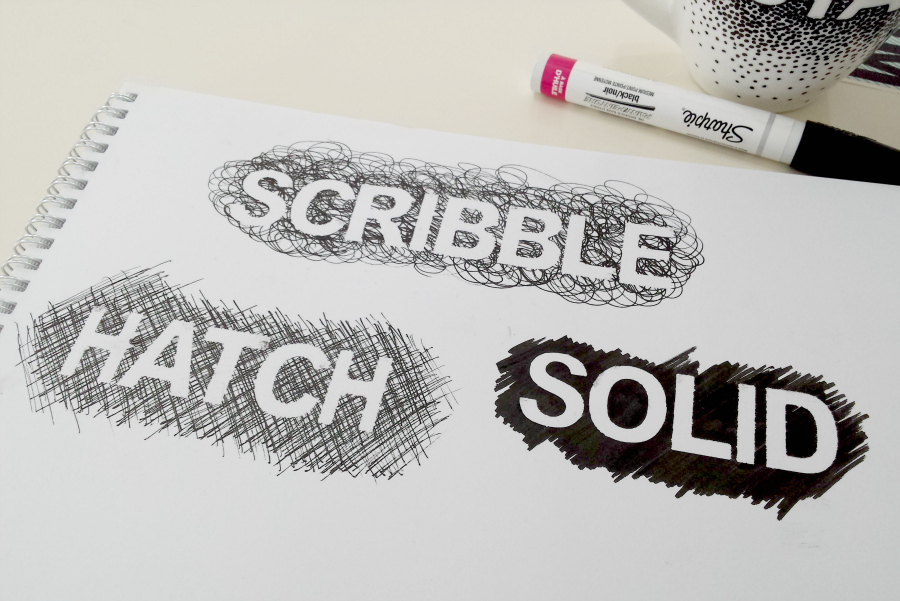
I played around with some alternative marking techniques. I quite like them all! May have to make some more!!

DIY, how to, Sewing, Tutorials

FO: DIY Harem Pants (Drop Crotch Trousers)

12/07/15

An area of garment sewing that I haven’t massively explored is trousers. Like alot of people I find the potentially complex fitting and pattern adjustments involved a little off putting. (It’s probably one of those situations where the reality is nowhere near as bad as the anticipation of it!) I HAVE been sewing up some trousers on the quiet in Shedquarters in a bid to start cutting my teeth on trouser sewing AND develop a self drafted pattern for my ideal pair of trousers. Apart from my beloved skinnies (I have no intention at this stage to venture into jeans sewing!) my preferred trouser silhouette is slouchy and comfy…DIY HAREM PANTS

These drop crotch trousers (harem pants, “hammer” pants, call them what you will!) have been in constant rotation since I made them.  They’re a reincarnation of a jersey pair I made a couple of years ago to test the idea out. That pair has been in constant use ever since but since they were a test pair I didn’t take the time to achieve a decent finish (and the jersey attracts every last bit of fluff in a 5 mile radius) so I tend to wear them around the house; and I’ve been wanting to revisit the idea and make a more “grown up pair” suitable for being out in public (!) for a couple of years now! (These are made from a lovely black crepe from Dragonfly Fabrics. Get 15% off with code “DRESSMAKING” at checkout).

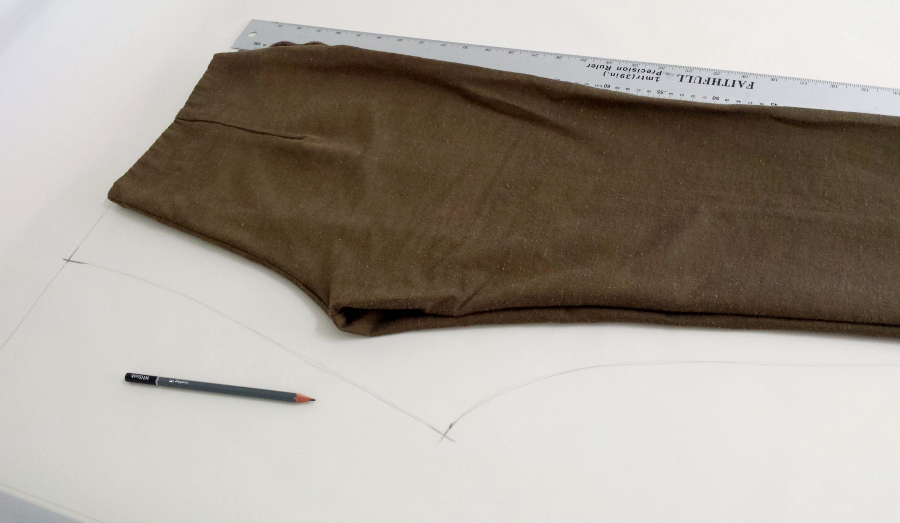
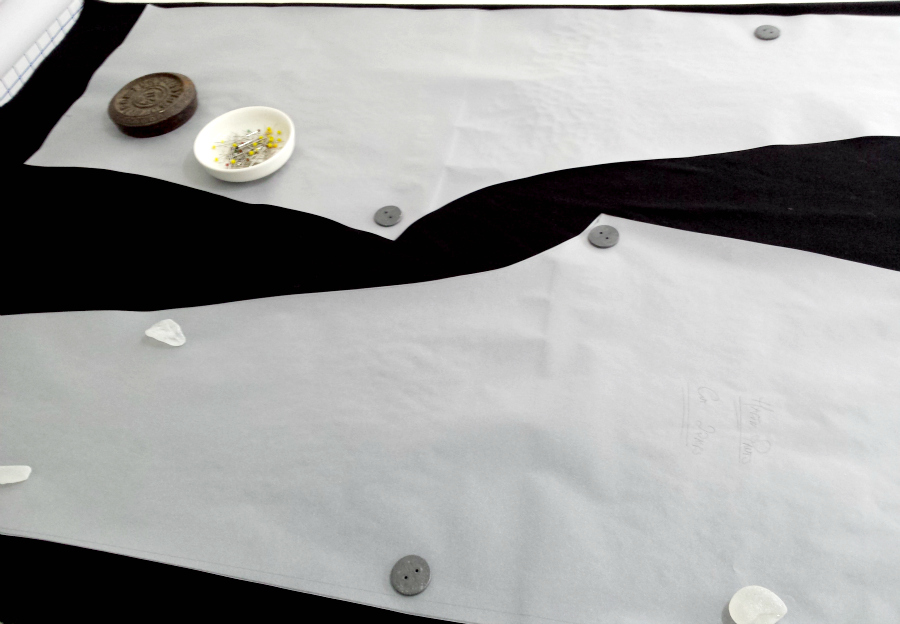
One of the awesome things about these trousers is they don’t require any traditional fitting as dropping the crotch kinda makes it redundant in terms of fitting to the body. Drafting a pattern for your own is a pretty easy undertaking too. I simply used a pair of existing trousers as a template. I made the waist wider as I wanted to incorporate some pleating and give some drape…DIY HAREM PANTS

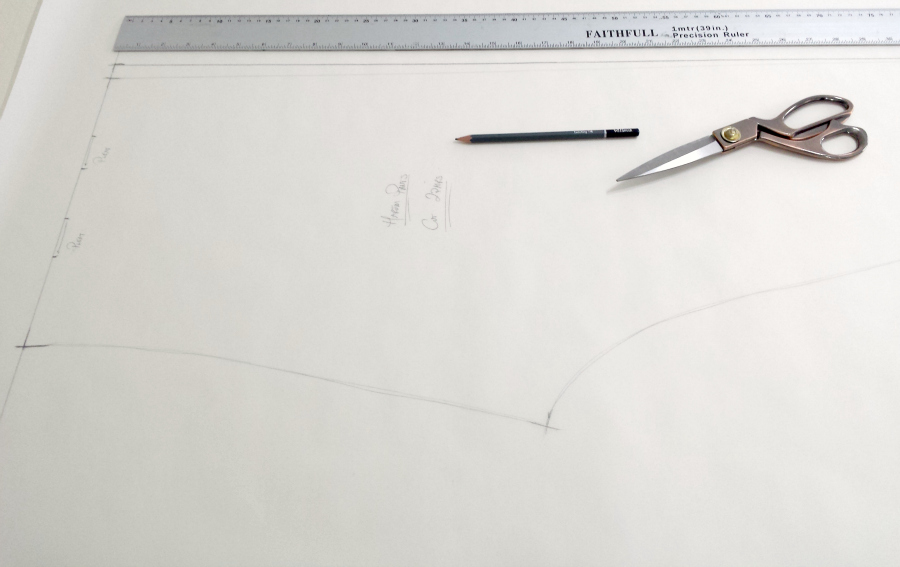
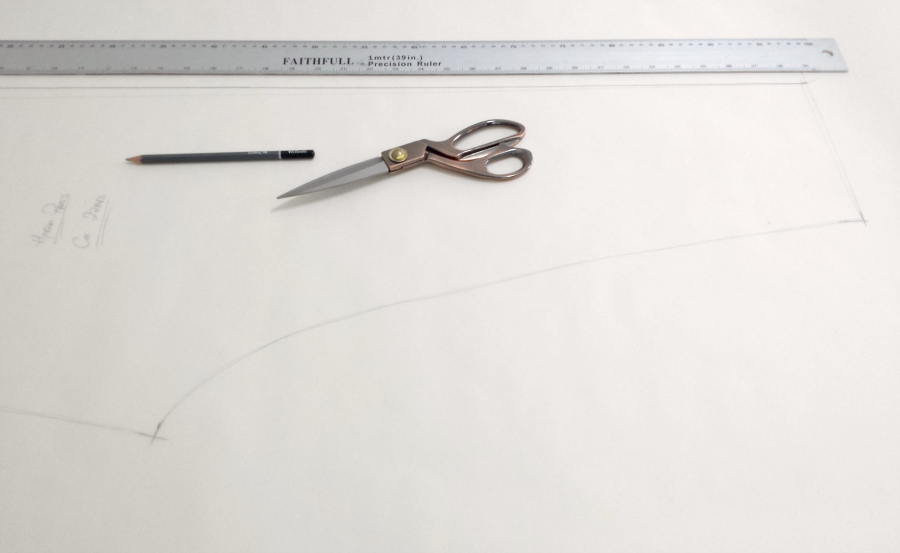
Then I traced the approximate shape of the trouser outline with the exception that the crotch is dropped to 16″ from the waist. The crotch point (is that the term?) is much lower and  deeper. If you’re going to drop the crotch, it has to be wider to allow for the width of your stride when you walk. The lower you drop the crotch, the wider the crotch will have to be to allow for your stride (does that make sense? If you stand in a pretend walking position then consider the distance between your legs. They’ll be further apart at the ankle than they are at the thighs. That distance has to be factored in when you decide on your crotch width)

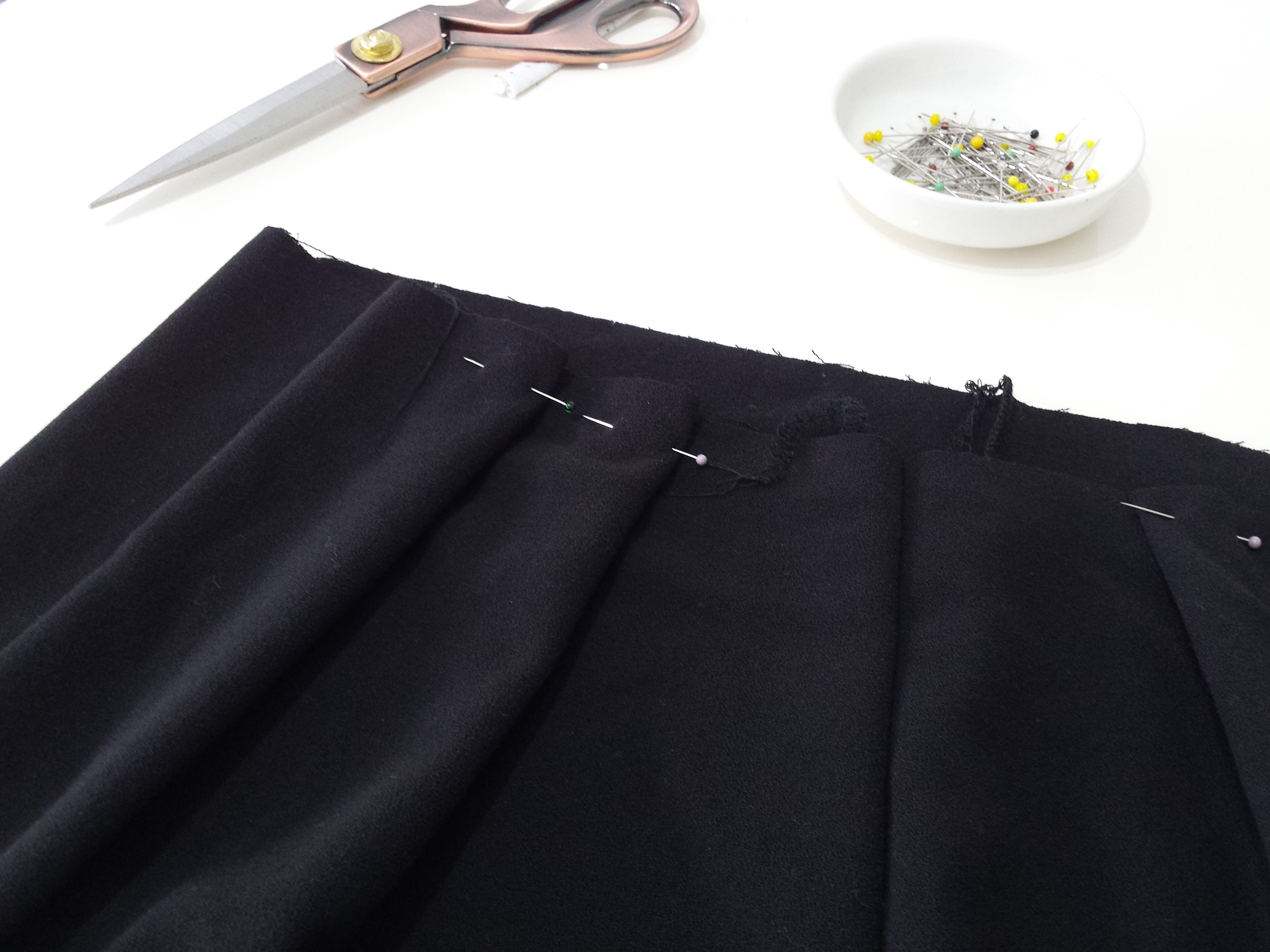
I subtracted my waist measurement from the final width of the pattern piece and marked in pleats to take up the excess…DIY HAREM PANTS

Then narrowed to the ankle taking account of the measurements around my knees, calves and ankles. The whole thing was drafted to include SA as I went. It’s such a loose style that you can get away with it!DIY HAREM PANTS

There is just one pattern piece from which I cut 2 pairs…DIY HAREM PANTS

Construction as follows:

  1. Sew the front and back pieces together at the side seams
  2. Sew the front and back pieces together at the inner leg seam up to the crotch point
  3. Turn one leg the right way out
  4. Place inside the other leg
  5. Line up the crotch seams matching at waist and crotch
  6. Sew the crotch curve all in one go

DIY HAREM PANTS (7)

That’s your basic trouser! Add the pleats and baste those. Then add a simple elasticated waistband (Mine is a simple band of fabric applied to the waist and then folded over, with elastic inserted) and you’re done!

I’ll likely be making more of these and may well do a more detailed tutorial at some stage. I’m afraid light levels & the fact that I chose black for this project made it impossible, with my meagre photography skills, to photograph this one in more detail. But I think you’ll get the gist from this!

Such a super simple and comfy pair of trousers! If you fancy cutting your teeth on some trouser sewing without the fitting fears…give this a try!!

Newer Posts
Older Posts
Portia
Follow
Sewbox

© Copyright 2026. Portia Lawrie. All Rights Reserved. Managed by WordPress Web Dev Cornwall .