Every now and then a project turns out exactly how you had it planned in your head Well…this wasn’t one of them, lol! Ultimately I’m content with the finished chair but this project was not without its curve balls and wtf moments! So what follows is by no means a definitive “how to” but more of a “what worked well and what didn’t” and what I learnt along the way.
Ah, the ubiquitous Ikea Tullsta tub chair! Currently retailing at £80…this one cost me £0. A freecycle result about 18months ago 🙂  I had planned to reupholster it but it ended up just sitting in a corner all that time while I pondered how I was going to approach the whole thing. Then it occurred to me….fabric dye! So I googled…there’s a few bits out there about dyeing chairs. Enough for me to know it was possible but not enough to have a tried and tested route to follow. So I kinda winged it…as is my way, lol!

Once I had a plan in my head I gathered my supplies. Rit dye, clean empty spray bottle, car sponge, paintbrush, gloves, salt, and a funnel. I covered my work area in cut up bin bags…this is a messy job!

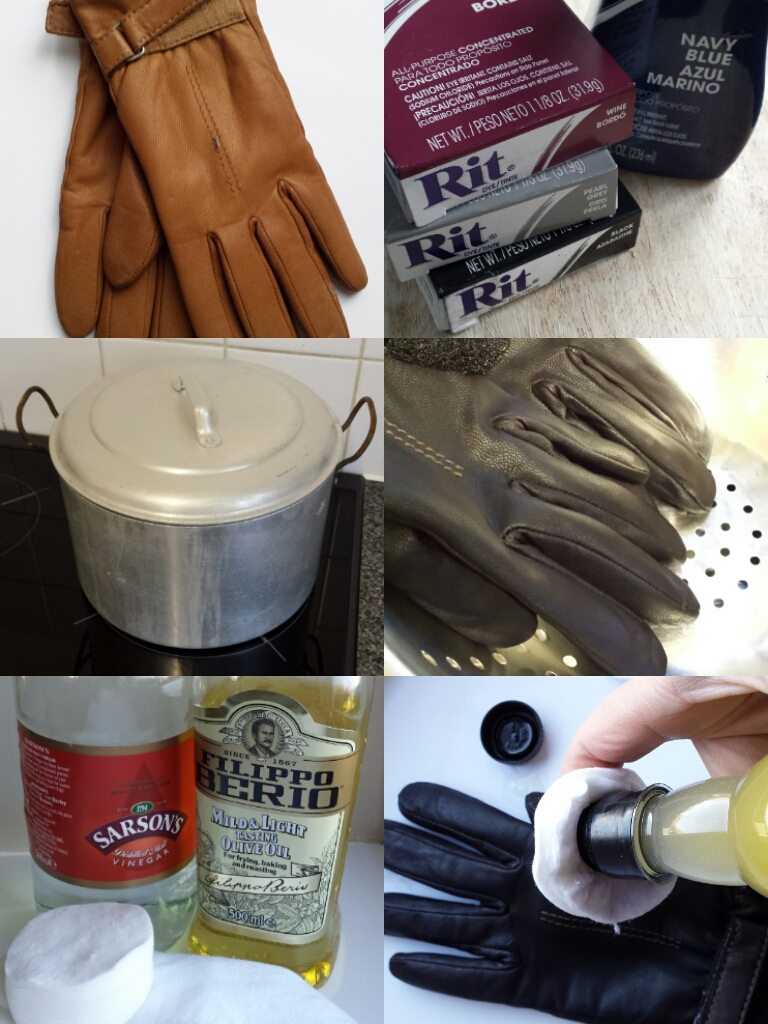
I started by detaching the seat pad using a seam ripper. It’s attached to the main body of the chair by means of a fabric “hinge”. I used the underside of the cushion to test out my colour mixing until I arrived at the colour I was aiming for. I used one bottle of navy liquid Rit, and a pack each of black and wine powdered Rit dye in 10 pints of water. So a very concentrated solution. Everything was mixed in a big stockpot on the hob with the addition of half a cup of salt (in hindsight possibly too much salt…you’ll see why further down) brought to a simmer and then kept hot while I worked…

I used two application techniques on this project. The first was applying the liquid dye with a paintbrush. I started with the seat pad here. Applying the dye generously so the seat pad was really soaked in it and overlapping my brush strokes to ensure even coverage. Then while the dye was still wet I used a sponge in brisk, firm circular strokes to even out the coverage and eliminate the brush marks…

The second application technique I used was to decant the dye liquid into a spray bottle. This was a much quicker technique but allow me to share a few tips! Test the spray pattern of the bottle you’re intending on using. You want one with a larger more diffused spray pattern as opposed to a jet of liquid. Â Also make sure the dye liquid is cooled a little first. If it’s too hot when it goes into the bottle it will cause the plastic to “suck” inwards and distort with the heat which in turn can mess up the pressure inside the bottle…if the nozzle gets a little drippy and blocked after a while…just soak in hot water and flush through with clean hot water….using this technique I covered the whole chair in about 10 minutes…overlap each spray area with the previous one for thorough coverage…

I started with the inside of the chair and worked my way round to the back. When I was done spraying I used the sponge again to really rub in the dye and even it out…

What astonished me about this was how much lighter the finished  colour was once it dried. It was by no means the solid, rich, dark colour I was anticipating when I mixed the dye liquid! It looked soooo dark when wet, and at least 10 shades lighter when dry! I used 3 coats in total. Pictures in order below. The one on the right is the third coat, still wet….

The second problem I encountered was this! (Cue agonised screams of “noooooo!” when I came down to THIS the folowing morning!) I suspect it’s because I used too much salt in the dye bath for the amount of liquid. When the 2nd and 3rd coats dried I was left with these crystalised white patches. I first of all tried a mix of white vinegar and water wiped over the offending spots. Vinegar is supposed to dissolve salt. It lessened the white patches but didn’t eliminate them. My eventual saviour ended up being good old baby wipes! I gave the chair a thorough rub down with baby wipes and bang…white marks gone! (Cue sigh of relief!)…

Now for the legs. This part DID turn out exactly as I’d envisaged and I’m super pleased with this part 🙂 I used Kobra paints in matte black and copper. Go outside for this! These paints have a larger spray pattern than other brands I’ve used but coverage is awesome and these are substantially cheaper than larger brands too. I think this brand is gonna be my new go to 🙂 I stuck the legs upside into a wodge (real word;) of polystyrene foam to hold them while I sprayed…

First just one coat (told you, awesome coverage!) of matte black. Then I masked off everything but the tips and sprayed those copper…

And there you have it! Not all smooth sailing, not perfect, but ultimately I’m pleased with the end result….(I love the way the copper bands reflect in the flooring)…

And lets face it…it looks better than it did before! Oh, and one final step…once completely dry (I allowed a few days) check for dye transfer by rubbing with a white cloth…mine was fine but if in doubt, spray with Scotchgard to fix the dye in 🙂